
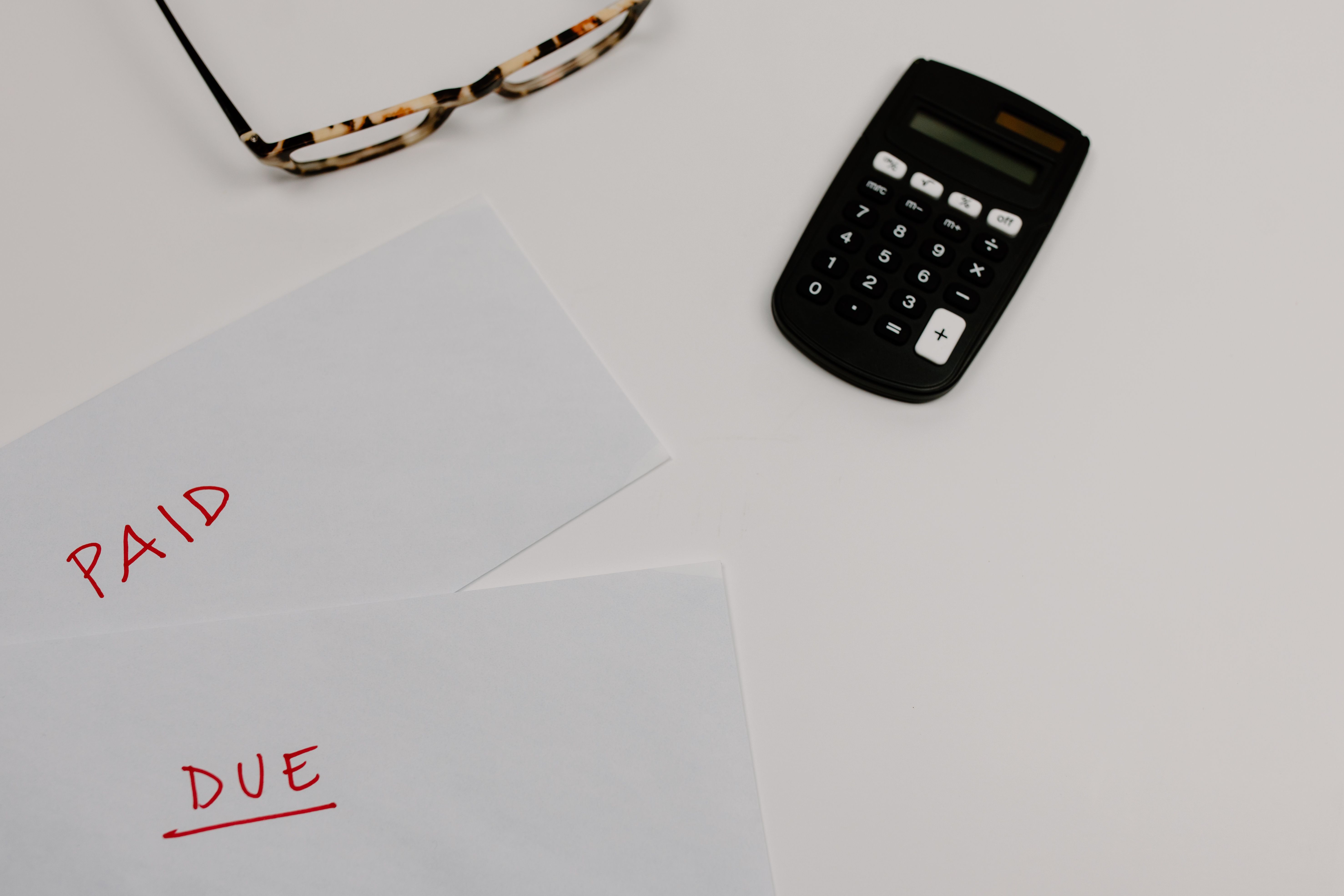
A Self-Assessment tax bill can be higher than expected because it may include tax still owed for the previous year and advance payments towards the next year.
Here, we explain payments on account, balancing payments and the main deadlines.
What Are Payments on Account?
Payments on account are advance payments towards your next Self-Assessment bill. They can include Income Tax and Class 4 National Insurance if you work for yourself.
HMRC normally asks for two payments. Each is usually equal to half of the previous year’s relevant tax bill. The first is due by midnight on 31 January and the second by midnight on 31 July.
You will not normally need to make payments on account if your relevant tax bill for the previous year was less than £1,000 or more than 80 per cent of your tax was collected outside Self-Assessment.
Your Self-Assessment statement or HMRC online account will confirm what you need to pay.
How Are Payments on Account Calculated?
Payments on account are generally based on the tax you owed for the previous year. They do not usually include Capital Gains Tax or student loan repayments.
If your final tax bill is higher than the payments you have already made, you must pay the difference. This is called a balancing payment. If your bill is lower, you may receive a refund or credit.
What Is a Balancing Payment?
A balancing payment is the difference between your final tax bill and the payments on account already made. It is due by midnight on 31 January following the end of the relevant tax year.
Your January payment may therefore include both a balancing payment for the previous year and your first payment on account for the following year.
If You Made Payments on Account Last Year
If your final tax bill is £3,000 and you have already made two payments of £900, you will have paid £1,800. The remaining £1,200 will be due as a balancing payment.
Your next payments on account would normally be £1,500 each. This means £2,700 would be due on 31 January, consisting of the £1,200 balancing payment and the first £1,500 payment on account. The second £1,500 payment would be due on 31 July.
If You Did Not Make Payments on Account Last Year
If this is your first Self-Assessment return, your January payment may be larger than expected.
For a tax bill of £3,000, you may also need to make a first payment on account of £1,500. The total due on 31 January would be £4,500, followed by another £1,500 on 31 July.
This does not mean you are being taxed twice. The additional amount is an advance payment towards your next bill.
Can Payments on Account Be Reduced?
If you expect your income or tax bill to be lower, you can ask HMRC to reduce your payments on account. This can be done through your HMRC online account or by submitting form SA303.
If the payments are reduced too far, HMRC may charge interest on any shortfall.
Planning for Your Self-Assessment Payments
Completing your tax return early gives you more time to understand your bill and prepare for the January and July deadlines.
Cobble can calculate your expected liability, explain your payments and consider whether a reduction may be appropriate. Please contact our team if you need help with your Self-Assessment tax bill.